Showing posts with label Places. Show all posts

Geirangerfjord — Norway

Geirangerfjord — Norway
The Geirangerfjorden is a fjord in the Sunnmøre region of Møre og Romsdal county, Norway. It located entirely in Stranda Municipality. It is a 15-kilometre (9.3 mi) long branch off of the Sunnylvsfjorden, which is a branch off of the Storfjorden (Great Fjord). The small village of Geiranger is located at the end of the fjord where the Geirangelva river empties into it.

The Geirangerfjorden is a fjord in the Sunnmøre region of Møre og Romsdal county, Norway. It located entirely in Stranda Municipality. It is a 15-kilometre (9.3 mi) long branch off of the Sunnylvsfjorden, which is a branch off of the Storfjorden (Great Fjord). The small village of Geiranger is located at the end of the fjord where the Geirangelva river empties into it.

The fjord is one of Norway's most visited tourist sites. In 2005, it was listed as a UNESCO World Heritage Site, jointly with the Nærøyfjorden, although this status is now threatened by the disputed plans to build power lines across the fjord. A car ferry, which doubles as a sightseeing trip, is operated by Fjord1 Nordvestlandske. It runs lengthwise along the fjord between the small towns of Geiranger and Hellesylt.
Along the fjord's sides there lie a number of now-abandoned farms. Some restoration has been made by the Storfjordens venner association. The most commonly visited among these are Skageflå, Knivsflå, and Blomberg. Skageflå may also be reached on foot from Geiranger, while the others require a boat excursion. The fjord is also host to several impressive waterfalls such as the Seven Sisters waterfall.
The Geirangerfjorden is a fjord in the Sunnmøre region of Møre og Romsdal county, Norway. It located entirely in Stranda Municipality. It is a 15-kilometre (9.3 mi) long branch off of the Sunnylvsfjorden, which is a branch off of the Storfjorden (Great Fjord). The small village of Geiranger is located at the end of the fjord where the Geirangelva river empties into it.
This fjord is surrounded by the steepest and, one is almost tempted to say, the most preposterous mountains on the entire west coast. It is very narrow and has no habitable shore area, for the precipitous heights rise in sheer and rugged strata almost straight out of the water. Foaming waterfalls plunge into the fjord from jagged peaks. There are, however, a few mountain farms here, and of these one or two have such hazardous access, by paths that wind around steep precipices, and by bridges that are fixed to the mountain with iron bolts and rings, that they bear witness in a most striking way to the remarkable powers of invention which the challenges of nature have developed in man.

The Geirangerfjorden is a fjord in the Sunnmøre region of Møre og Romsdal county, Norway. It located entirely in Stranda Municipality. It is a 15-kilometre (9.3 mi) long branch off of the Sunnylvsfjorden, which is a branch off of the Storfjorden (Great Fjord). The small village of Geiranger is located at the end of the fjord where the Geirangelva river empties into it.

The Geirangerfjorden is a fjord in the Sunnmøre region of Møre og Romsdal county, Norway. It located entirely in Stranda Municipality. It is a 15-kilometre (9.3 mi) long branch off of the Sunnylvsfjorden, which is a branch off of the Storfjorden (Great Fjord). The small village of Geiranger is located at the end of the fjord where the Geirangelva river empties into it.


The Geirangerfjorden is a fjord in the Sunnmøre region of Møre og Romsdal county, Norway. It located entirely in Stranda Municipality. It is a 15-kilometre (9.3 mi) long branch off of the Sunnylvsfjorden, which is a branch off of the Storfjorden (Great Fjord). The small village of Geiranger is located at the end of the fjord where the Geirangelva river empties into it.

 The Seven Sisters Waterfall making their way to the Geirangerfjord.
 The Seven Sisters Waterfall making their way to the Geirangerfjord.
The Geirangerfjorden is a fjord in the Sunnmøre region of Møre og Romsdal county, Norway. It located entirely in Stranda Municipality. It is a 15-kilometre (9.3 mi) long branch off of the Sunnylvsfjorden, which is a branch off of the Storfjorden (Great Fjord). The small village of Geiranger is located at the end of the fjord where the Geirangelva river empties into it.

The Geirangerfjorden is a fjord in the Sunnmøre region of Møre og Romsdal county, Norway. It located entirely in Stranda Municipality. It is a 15-kilometre (9.3 mi) long branch off of the Sunnylvsfjorden, which is a branch off of the Storfjorden (Great Fjord). The small village of Geiranger is located at the end of the fjord where the Geirangelva river empties into it.

The Geirangerfjorden is a fjord in the Sunnmøre region of Møre og Romsdal county, Norway. It located entirely in Stranda Municipality. It is a 15-kilometre (9.3 mi) long branch off of the Sunnylvsfjorden, which is a branch off of the Storfjorden (Great Fjord). The small village of Geiranger is located at the end of the fjord where the Geirangelva river empties into it.

The Geirangerfjorden is a fjord in the Sunnmøre region of Møre og Romsdal county, Norway. It located entirely in Stranda Municipality. It is a 15-kilometre (9.3 mi) long branch off of the Sunnylvsfjorden, which is a branch off of the Storfjorden (Great Fjord). The small village of Geiranger is located at the end of the fjord where the Geirangelva river empties into it.

The Geirangerfjorden is a fjord in the Sunnmøre region of Møre og Romsdal county, Norway. It located entirely in Stranda Municipality. It is a 15-kilometre (9.3 mi) long branch off of the Sunnylvsfjorden, which is a branch off of the Storfjorden (Great Fjord). The small village of Geiranger is located at the end of the fjord where the Geirangelva river empties into it.

The Geirangerfjorden is a fjord in the Sunnmøre region of Møre og Romsdal county, Norway. It located entirely in Stranda Municipality. It is a 15-kilometre (9.3 mi) long branch off of the Sunnylvsfjorden, which is a branch off of the Storfjorden (Great Fjord). The small village of Geiranger is located at the end of the fjord where the Geirangelva river empties into it.

The Geirangerfjorden is a fjord in the Sunnmøre region of Møre og Romsdal county, Norway. It located entirely in Stranda Municipality. It is a 15-kilometre (9.3 mi) long branch off of the Sunnylvsfjorden, which is a branch off of the Storfjorden (Great Fjord). The small village of Geiranger is located at the end of the fjord where the Geirangelva river empties into it.

Johnny Depp – Little Halls Pond Cay

Johnny Depp – Little Halls Pond Cay

Ubari Lakes — Libya

Ubari Lakes — Libya

Recent archaeological research revealed the existence of several fresh-water lakes, known as palaeolakes, in ancient Fezzan, Libya. Some of these lakes were located in the southern regions of Wadi Irawan, Wadi al-Ajal and the Ubari Sand Sea. The archaeological finds from the area include dark layers of organic matters, shells, hand axes and other Palaeolithic and Neolithic implements and tools which strongly suggested ancient human activity in Fezzan. These lakes were part of a larger network of lakes which have included the legendary nearby Lake Tritonis and Lake Chad among numerous other smaller lakes.
Precise dating of the lakes is yet to be confirmed, but current studies, conducted by the Fezzan Project, suggest Pleistocene and Holocene human presence. However, results from Wadi al-Ajal's playas (: which are mud flats with rough surface, cracks and salt encrustation, like the Playa of Germa which represent the lakes just before drying out) indicate these lakes to have disappeared around 3000 years ago.

Ubari lakes were located in the southern regions of Wadi Irawan, Wadi al-Ajal and the Ubari Sand Sea. The archaeological finds from the area include dark layers of organic matters, shells, hand axes and other Palaeolithic and Neolithic implements and tools which strongly suggested ancient human activity in Fezzan. These lakes were part of a larger network of lakes which have included the legendary nearby Lake Tritonis and Lake Chad among numerous other smaller lakes

Findings from the lakes also suggest that the impressive sand dunes of the Ubari Sand Sea are at least 100,000 years old. Numerous lakes were thought to have covered the eastern and southern regions of the sea, some of which still exist today, as in the case of Gaberoun (or Gabroun), Umm al-Maa and Maafu, where the land surface intercepts the water table. 
The main river systems that fed the giant lake: Tasilli N’Ajjer and Hamada Mangueni. The locations of the current Ubari lakes are situated near the middle of the above lake; probably left over as the mother-lake slowly evaporated away into thin air. 09 more images after the break...

Ubari lakes were located in the southern regions of Wadi Irawan, Wadi al-Ajal and the Ubari Sand Sea. The archaeological finds from the area include dark layers of organic matters, shells, hand axes and other Palaeolithic and Neolithic implements and tools which strongly suggested ancient human activity in Fezzan. These lakes were part of a larger network of lakes which have included the legendary nearby Lake Tritonis and Lake Chad among numerous other smaller lakes


The current Ubari Lakes are a group of about 20 lakes, set amidst the landscape of towering dunes and palm fringed oases of the Ubari Sand Sea. To reach these lakes, tourists usually drive to Sabha, then from Sabha to Tkerkiba, where an excellent camping site is used as the base to explore the lakes as well as Wadi Matkhandouch. The depth of the lakes, according to one Libyan diving centre, varies from seven meters deep (as in Gabroun) to 32 meters deep (Ain al-Dibbanah, near Ghadames). Some of these lakes are slowly drying out, owing to drought and artificial drainage of underground resources!
Among the most picturesque of the lakes are Gaberoun and Umm al-Maa (the Mother of Water). Also there are two more beautiful lakes which are rarely visited by tourists. These are: Umm al-H'isan (the Mother of the Horse), also spelt as Oum El Hassan, located north of Gaberoun; and   at-Tarhouna, about 11km from Umm al-H'isan.

Ubari lakes were located in the southern regions of Wadi Irawan, Wadi al-Ajal and the Ubari Sand Sea. The archaeological finds from the area include dark layers of organic matters, shells, hand axes and other Palaeolithic and Neolithic implements and tools which strongly suggested ancient human activity in Fezzan. These lakes were part of a larger network of lakes which have included the legendary nearby Lake Tritonis and Lake Chad among numerous other smaller lakes


Lake Gaberoun is one of the largest and most beautiful lakes of the great sand sea of Ubari; beautifully set amidst the magnificent sand dunes, with palm trees on one side and the ruins of the old village on the other. Most of the lakes of the Libyan interior are highly carbonated, enabling swimmers to easily float without exerting any effort. The content of salt is rather high: nearly five times saltier than seawater. Some of the lakes are home for a harmless tiny red shrimp-like creatures that thrive in the shallow waters of the lake, which the Tuareg grind into a paste and use for making cakes, and which have earned the local inhabitants the name of 'worm eaters' (Dawada or Dawwada), and hence the name: Dawada Lakes. 

Ubari lakes were located in the southern regions of Wadi Irawan, Wadi al-Ajal and the Ubari Sand Sea. The archaeological finds from the area include dark layers of organic matters, shells, hand axes and other Palaeolithic and Neolithic implements and tools which strongly suggested ancient human activity in Fezzan. These lakes were part of a larger network of lakes which have included the legendary nearby Lake Tritonis and Lake Chad among numerous other smaller lakes

Distances between the lakes:
Tkerkiba - Hofret H'lima    — 10 km
Hofret H'lima - Mahrouga  —  10km
Mahrouga - Gaberoun       —  15 km
Gaberoun - Mafo              —  15 km
Mafo - Umm Almaa          —  about 18 km
Gaberoun - Umm Alh'isan —  30 km
Umm Alh'isan - Attrouna   —  11 km
Tkirkiba - Mandara           —  15 km
Tkirkiba - Umm Almaa      —  17 km
Tkirkiba - Mafo                 —  39km
Tkirkiba - Gaberoun          —  45 km

Ubari lakes were located in the southern regions of Wadi Irawan, Wadi al-Ajal and the Ubari Sand Sea. The archaeological finds from the area include dark layers of organic matters, shells, hand axes and other Palaeolithic and Neolithic implements and tools which strongly suggested ancient human activity in Fezzan. These lakes were part of a larger network of lakes which have included the legendary nearby Lake Tritonis and Lake Chad among numerous other smaller lakes


The name Gaberoun is a compound of two names: Gaber (grave) and A'awn (a name). The oasis was the home of an old settlement which has been moved elsewhere. The ruins of their settlement are located on the western shore of the lake (see photo). The temperature of the water is, strangely enough, colder on the surface than it is a foot or two below, where it is noticeably warmer. A tourist camp is located on the northeastern shore of the lake, with a Tuareg shop, selling traditional Berber jewellery and other local crafts. 
Libya’s Landlocked Lakes: Wet Spots In A Sea Of Sand. Text

Ubari lakes were located in the southern regions of Wadi Irawan, Wadi al-Ajal and the Ubari Sand Sea. The archaeological finds from the area include dark layers of organic matters, shells, hand axes and other Palaeolithic and Neolithic implements and tools which strongly suggested ancient human activity in Fezzan. These lakes were part of a larger network of lakes which have included the legendary nearby Lake Tritonis and Lake Chad among numerous other smaller lakes

Ubari lakes were located in the southern regions of Wadi Irawan, Wadi al-Ajal and the Ubari Sand Sea. The archaeological finds from the area include dark layers of organic matters, shells, hand axes and other Palaeolithic and Neolithic implements and tools which strongly suggested ancient human activity in Fezzan. These lakes were part of a larger network of lakes which have included the legendary nearby Lake Tritonis and Lake Chad among numerous other smaller lakes


Ubari lakes were located in the southern regions of Wadi Irawan, Wadi al-Ajal and the Ubari Sand Sea. The archaeological finds from the area include dark layers of organic matters, shells, hand axes and other Palaeolithic and Neolithic implements and tools which strongly suggested ancient human activity in Fezzan. These lakes were part of a larger network of lakes which have included the legendary nearby Lake Tritonis and Lake Chad among numerous other smaller lakes


Ubari lakes were located in the southern regions of Wadi Irawan, Wadi al-Ajal and the Ubari Sand Sea. The archaeological finds from the area include dark layers of organic matters, shells, hand axes and other Palaeolithic and Neolithic implements and tools which strongly suggested ancient human activity in Fezzan. These lakes were part of a larger network of lakes which have included the legendary nearby Lake Tritonis and Lake Chad among numerous other smaller lakes


Ubari lakes were located in the southern regions of Wadi Irawan, Wadi al-Ajal and the Ubari Sand Sea. The archaeological finds from the area include dark layers of organic matters, shells, hand axes and other Palaeolithic and Neolithic implements and tools which strongly suggested ancient human activity in Fezzan. These lakes were part of a larger network of lakes which have included the legendary nearby Lake Tritonis and Lake Chad among numerous other smaller lakes

Marlon Brando - Tetiaroa

Marlon Brando - Tetiaroa


Nicholas Cage - Leaf Cay


Nicholas Cage - Leaf Cay


Allure of the Seas

Allure of the Seas

The second of Royal Caribbean’s world-changing Oasis-class ships, Allure of the Seas is a few inches longer than her older sister-ship Oasis of the Seas, and so technically holds the crown as the largest cruise ship ever built, measuring in at 225,282 gross tons and carrying a remarkable 5,400 guests at double occupancy, plus nearly 3,000 crewmembers.

 That few inches of difference aside, Allure is essentially identical in conception and layout to Oasis, but since Oasis is probably the most revolutionary cruise ship ever built, that means Allure is pretty special too, from her incredible number of guest amenities to her game-changing design, which took the monolithic cruise ship superstructure and split it lengthwise into what are essentially two long buildings set atop her hull — one to port and one to starboard, with a long, deep canyon between them and various joins along the way to provide structural strength.

12 Top Places of Our Planet Worth Travel to

12 Top Places of Our Planet Worth Travel to


The Queensland Bottle Tree — Brachychiton Rupestris

The Queensland Bottle Tree — Brachychiton Rupestris

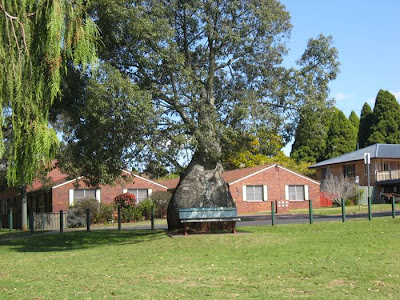
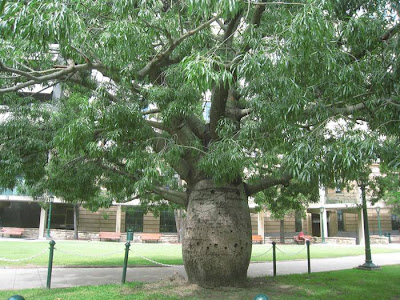
The Queensland Bottle Tree — Brachychiton Rupestris originally classified in the family Sterculiaceae, which is now within Malvaceae, is native of Queensland, Australia. Its grossly swollen trunk gives it a remarkable appearance and gives rise to the name. As a succulent, drought-deciduous tree, it is tolerant of a range of various soils, and temperatures.
It can grow to 18–20 meters (59–65 feet) in height and its trunk has the unique shape of a bottle. Its swollen trunk is primarily used for water storage. On every tree the leaves are variable from narrow and elliptic to deeply divided. Clusters of yellowy bell shaped flowers are hidden within the foliage, and are followed by woody boat-shaped fruits.
The Queensland Bottle Tree (Brachychiton rupestris) originally classified in the family Sterculiaceae, which is now within Malvaceae, is native of Queensland, Australia. Its grossly swollen trunk gives it a remarkable appearance and gives rise to the name. As a succulent, drought-deciduous tree, it is tolerant of a range of various soils, and temperatures.

Bottle Trees are commonly found planted in streets, parks, on farms and as features in gardens. Roma, Queensland is one country town with prominent bottle trees. They also grace the new entrance to the Geelong Botanic Gardens (38° South Latitude).

Cultivation — When cultivated, trees are propagated from fresh seed harvested in March. Bottle trees grow best in well drained, slightly acidic soil, in full sunshine. Suited to temperate subtropical and tropical climates. In the first stages of growth, the Bottle Tree is very slow growing, and the formation of the unique bottle shape is not visible until the tree is about fifteen years old. Mature trees transplant easily, and can withstand intervals of up to three months between digging and replanting without detriment. The Bottle Tree can also withstand temperatures of -10 °C to +50 °C in its natural habitat. They have also been Planted in Bendigo Victoria with great success. 10 more images after the break...

The Queensland Bottle Tree (Brachychiton rupestris) originally classified in the family Sterculiaceae, which is now within Malvaceae, is native of Queensland, Australia. Its grossly swollen trunk gives it a remarkable appearance and gives rise to the name. As a succulent, drought-deciduous tree, it is tolerant of a range of various soils, and temperatures.

The Queensland Bottle Tree (Brachychiton rupestris) originally classified in the family Sterculiaceae, which is now within Malvaceae, is native of Queensland, Australia. Its grossly swollen trunk gives it a remarkable appearance and gives rise to the name. As a succulent, drought-deciduous tree, it is tolerant of a range of various soils, and temperatures.


The Queensland Bottle Tree (Brachychiton rupestris) originally classified in the family Sterculiaceae, which is now within Malvaceae, is native of Queensland, Australia. Its grossly swollen trunk gives it a remarkable appearance and gives rise to the name. As a succulent, drought-deciduous tree, it is tolerant of a range of various soils, and temperatures.


The Queensland Bottle Tree (Brachychiton rupestris) originally classified in the family Sterculiaceae, which is now within Malvaceae, is native of Queensland, Australia. Its grossly swollen trunk gives it a remarkable appearance and gives rise to the name. As a succulent, drought-deciduous tree, it is tolerant of a range of various soils, and temperatures.

The Queensland Bottle Tree (Brachychiton rupestris) originally classified in the family Sterculiaceae, which is now within Malvaceae, is native of Queensland, Australia. Its grossly swollen trunk gives it a remarkable appearance and gives rise to the name. As a succulent, drought-deciduous tree, it is tolerant of a range of various soils, and temperatures.

The Queensland Bottle Tree (Brachychiton rupestris) originally classified in the family Sterculiaceae, which is now within Malvaceae, is native of Queensland, Australia. Its grossly swollen trunk gives it a remarkable appearance and gives rise to the name. As a succulent, drought-deciduous tree, it is tolerant of a range of various soils, and temperatures.

The Queensland Bottle Tree (Brachychiton rupestris) originally classified in the family Sterculiaceae, which is now within Malvaceae, is native of Queensland, Australia. Its grossly swollen trunk gives it a remarkable appearance and gives rise to the name. As a succulent, drought-deciduous tree, it is tolerant of a range of various soils, and temperatures.


The Queensland Bottle Tree (Brachychiton rupestris) originally classified in the family Sterculiaceae, which is now within Malvaceae, is native of Queensland, Australia. Its grossly swollen trunk gives it a remarkable appearance and gives rise to the name. As a succulent, drought-deciduous tree, it is tolerant of a range of various soils, and temperatures.


The Queensland Bottle Tree (Brachychiton rupestris) originally classified in the family Sterculiaceae, which is now within Malvaceae, is native of Queensland, Australia. Its grossly swollen trunk gives it a remarkable appearance and gives rise to the name. As a succulent, drought-deciduous tree, it is tolerant of a range of various soils, and temperatures.

The Queensland Bottle Tree (Brachychiton rupestris) originally classified in the family Sterculiaceae, which is now within Malvaceae, is native of Queensland, Australia. Its grossly swollen trunk gives it a remarkable appearance and gives rise to the name. As a succulent, drought-deciduous tree, it is tolerant of a range of various soils, and temperatures.


Join Our Group | DesiJungle